
Ridley Academy Wins Global Recognition Award!
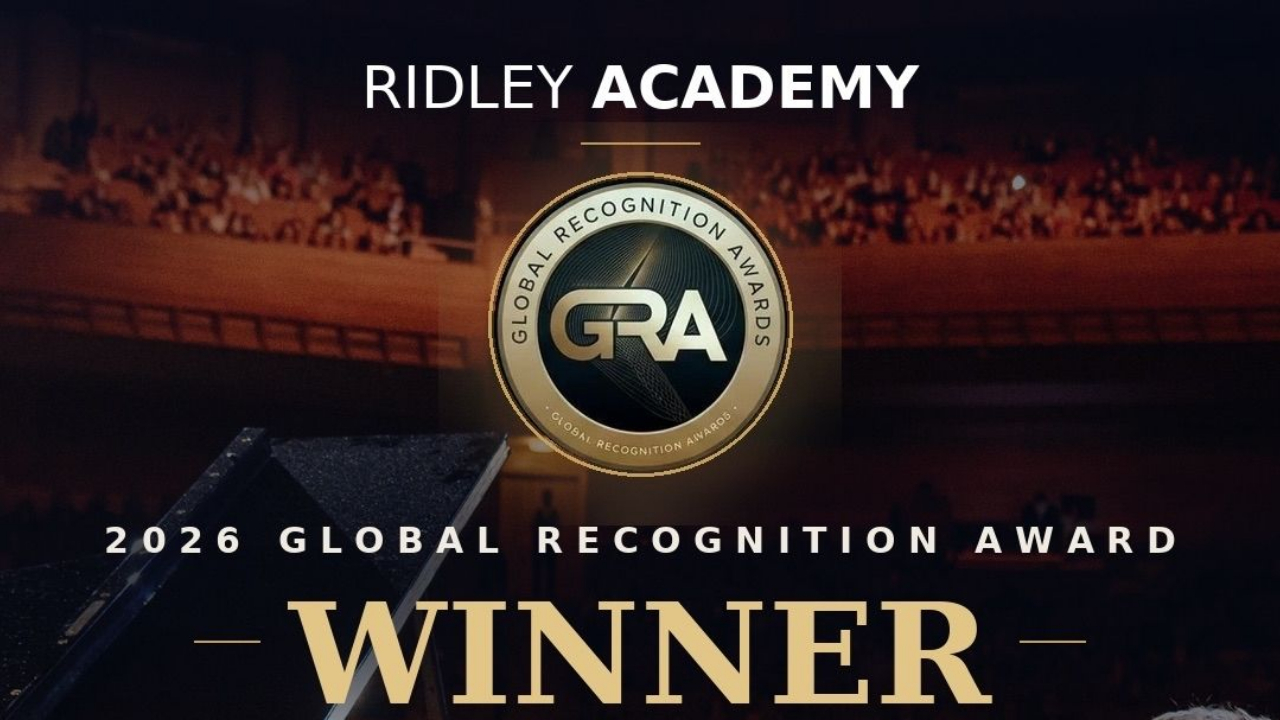
Proud to announce the ‘little piano project’ - Ridley Academy - I started 7 years ago, teaching adults how to play piano, just got a Global Recognition Award!!!
40,000 students. 70 countries. It’s an amazing team working together as a real group that has made this happen.
I’m so proud of everybody involved.
I wanted to copy and paste what they wrote below.
Our independent judging panel has awarded you the Global Recognition Award for exceptional achievement.
The selection process is highly competitive. Of the 15,000 entrants each year, Ridley Academy has been recognized with the 2026 Global Recognition Award, and the honor reflects a body of work that has changed how tens of thousands of people around the world approach the piano. Its founder, Stephen Ridley, built a curriculum around emotional expression rather than dense theory, and that decision has produced measurable results across a genuinely global student base. The award falls under the Innovation category, since the academy's t...
The Moment You Realize You’re No Longer The Person Who Started | Ridley Academy

Why finishing the journey is about far more than completing a piano course
There’s something deeply emotional about watching a student complete a journey they once doubted they could finish.
Not because it’s about perfection.
Not because it’s about becoming a concert pianist overnight.
But because somewhere along the way…
They become someone different.
Recently, one of our students, Majella Vitto, completed the course.
And her message honestly moved me deeply.
Not because she talked about flawless playing.
Not because she talked about talent.
But because her words captured something I believe so many people experience quietly while learning piano:
Transformation.
When people first begin learning piano, they often think they’re simply learning music.
Chords.
Scales.
Technique.
Rhythm.
And yes — those things matter.
But over time, something else begins happening underneath the surface.
You begin learning patience.
You begin learning consistency.
You begin learning how t...
I Did It… I Actually Completed the Course | Ridley Academy Student Success
A journey filled with fear, growth, music… and finally reaching the finish line
By Majella Vitto
I honestly don’t even know how to describe what I’m feeling right now.
Stephen… you’re making me well up with tears.
Not sad tears.
Tears of happiness.
Tears of fear for Nashville.
Tears knowing this incredible journey is becoming something different.
And most of all…
👉 Tears of completion.
Because somehow…
I DID IT.
I COMPLETED THE COURSE.
Honestly?
That sentence still feels surreal to say.
When I first started this journey, I never imagined how emotional learning piano would become.
I thought I was signing up to learn music.
And yes — I learned chords, rhythm, technique, songs, confidence, creativity…
But somewhere along the way…
This became so much more than piano.
There were moments where I felt inspired.
Moments where I felt overwhelmed.
Moments where I doubted myself.
Moments where progress felt slow.
And moments where I honestly wondered if I would ever reach the...
🎹 I Almost Didn’t Show Up… And I’m So Glad I Did | Ridley Academy Student Success
I wanted to share something that honestly surprised me.
I almost didn’t join the last Monthly Call.
Not because I don’t care about learning piano — I really do.
But I caught myself thinking:
“Is it really possible there’s anything new to hear about the challenge?”
I nearly talked myself out of it.
But… I showed up anyway.
And I’m really glad I did.
During the call, I decided to invest in asking a question.
I didn’t overthink it.
I didn’t wait until I felt completely ready.
I just asked.
And the answer I received… genuinely moved me forward.
Not in a dramatic, overnight transformation kind of way.
But in a real way.
A grounded way.
A way that gave me clarity and helped me continue.
It made me realize something important:
Sometimes the reward for showing up takes longer than you expect.
I think that’s something we don’t talk about enough.
There are moments in this journey where:
You’re not fully confident...
You’re not sure what to ask...
You’re still trying to find ...
The Stage of Learning Piano Most People Quit (And Why You Shouldn’t) | Ridley Academy
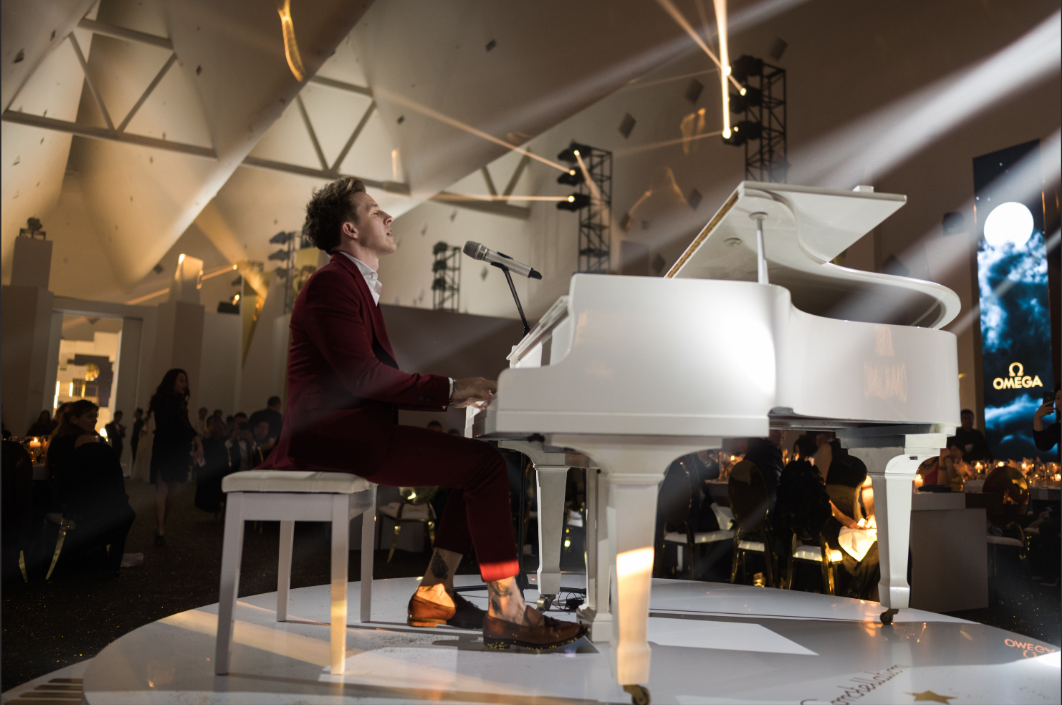
There’s a point in learning piano where things stop feeling exciting…
and start feeling repetitive.
Scales.
Chords.
Inversions.
Over and over again.
And for a lot of people, that’s the moment they begin to question everything.
“Is this really working?”
“Why does this feel so slow?”
“Am I even improving?”
Recently, a student shared something that I think more people feel… but don’t always say out loud.
He spoke about the difficulty of learning inversions.
About how once your hands get used to one position, your muscle memory locks in.
Your thumb wants to lead.
Your fingers want to follow familiar shapes.
And the moment you’re asked to change that…
It feels unnatural.
Uncomfortable.
Even frustrating.
At Ridley Academy, I see this all the time.
And here’s the truth:
That frustration is not a problem.
It’s a signal.
Because what’s actually happening in that moment…
Is that you’re no longer just playing?
You’re learning.
Most people don’t quit because they lack talent.
...
"Rediscovering My Confidence Through Piano at 50 | Ridley Academy Student Story"
Learning piano at any stage of life can be a deeply personal journey — but sometimes, it becomes something much more.
Stephen,
Thank you.
What you’ve done for me goes far beyond improving my playing.
You took the foundations I already had and transformed them into something stronger, clearer, and more meaningful. And now, I feel inspired to reach even higher — not just technically, but emotionally.
Because for me, music has always been about expression.
About invoking emotion, positivity, hope, passion, and inspiration — and now, I feel like I can truly share that with others in a deeper way.
Before this course, I had already done a lot of improvisational work. I could play. I could express myself in my own way. But something was missing.
Clarity.
Direction.
Confidence.
And through this journey with Ridley Academy, something shifted.
I feel like I’ve been given a deeper understanding — an enlightenment that has opened new doors for me creatively. And I can honestly say this: ...
"Finding My Way Back to Music Through Piano | Ridley Academy."
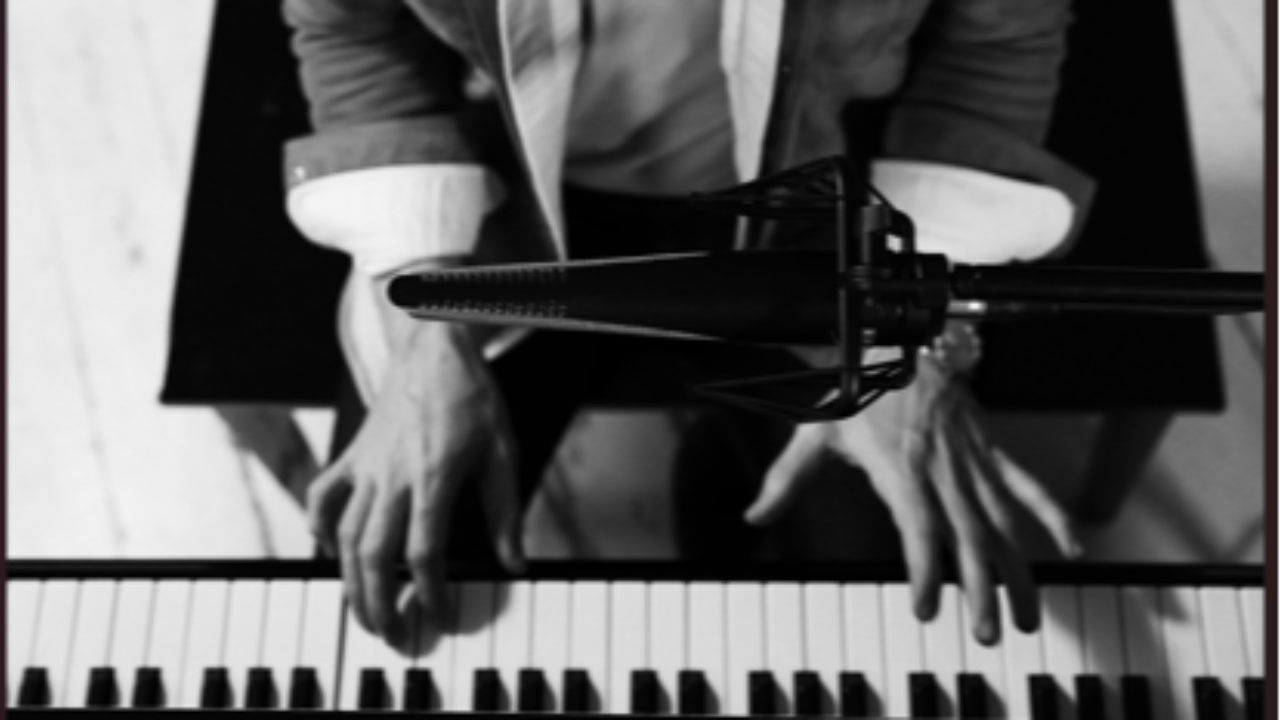
"Returning to piano after loss can feel overwhelming, especially when life has taken you through grief and hardship. At Ridley Academy, we often see how learning piano becomes more than music — it becomes a path back to healing."
Returning to piano after loss can feel overwhelming, especially when life has taken you through grief and hardship. At Ridley Academy, we often see how learning piano becomes more than music — it becomes a path back to healing.
Stephen,
I just want to say… thank you.
You truly are an inspiration. And I know I’m not the only one who feels this way — all of your students, past and present, are very lucky to have you in their lives.
I’ve been quiet for a while.
I’ve buried my head and stepped away… not because I didn’t care, but because life has been heavy. I’ve gone through some deeply painful things.
I lost two close friends to cancer.
My brother passed away.
My sister passed away.
My mother passed away.
And recently, my best friend passed away too.
It’...
