
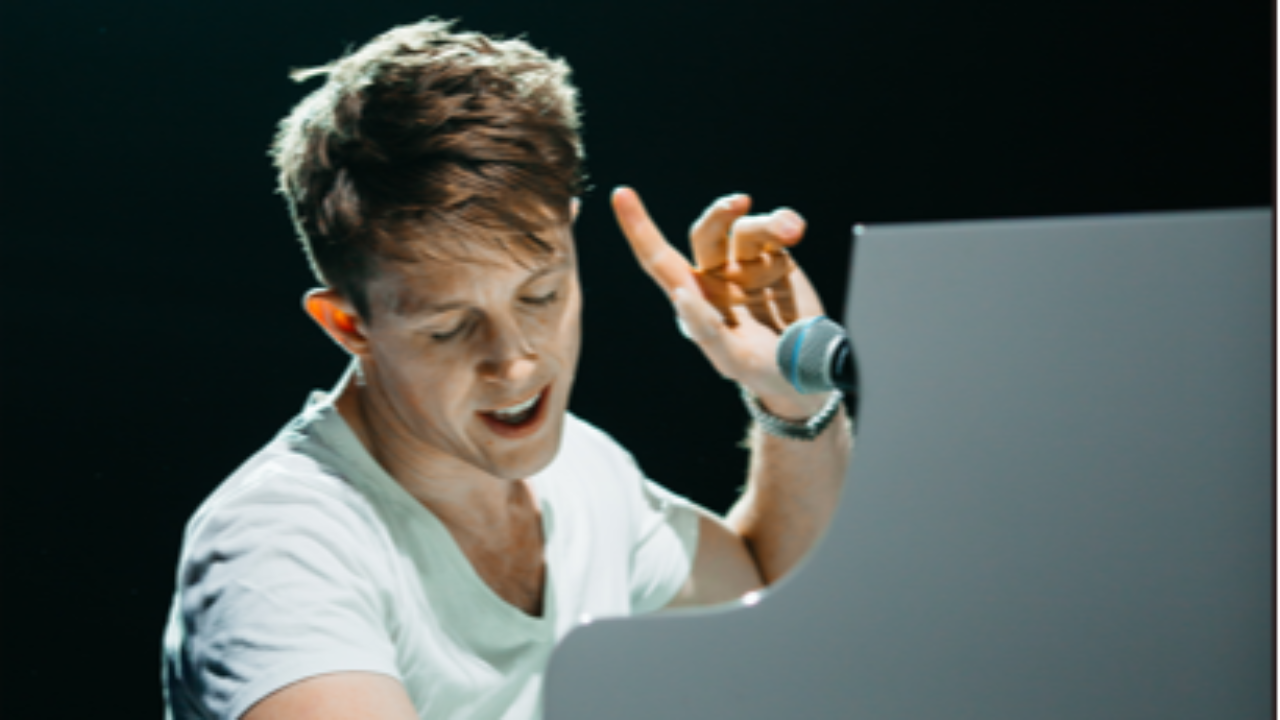
"It’s Never Too Late to Begin Again."

Every now and then, a story comes through that reminds me why this work matters so deeply.
Not because of perfection.
Not because of speed.
But because of what it awakens in someone.
This week, I read a message from a student who had just completed the Masterclass at 76 years old.
Seventy-six.
And what moved me wasn’t just that she finished the course — it was what she believed before she started.
She thought she would never play the piano again.
That sentence carries something many people feel, but rarely say out loud.
“It’s too late for me.”
“That part of my life is over.”
“I missed my chance.”
But here’s the truth:
Music doesn’t work on your timeline.
It doesn’t measure your age.
It doesn’t ask how long you’ve been away.
It simply waits.
Patiently.
Quietly.
Until the moment you decide to come back.
This student didn’t come in with confidence.
She came in with doubt.
She had played years ago as a child, but had forgotten almost everything — how to read music, how to un...
"The Moment You Stop Waiting to Be Ready."

Now and then, a student shares something that goes far beyond music.
Not a technique.
Not a breakthrough at the piano.
But a shift in thinking.
Elycia recently shared something that struck me deeply.
She realized that the problem wasn’t the course.
It wasn’t the material.
It wasn’t even the questions she was asking.
It was the frame of reference she was bringing into the experience.
And that is one of the most important realizations a person can have — not just in music, but in life.
Because so often, we come into something new already convinced it won’t work.
We ask questions not to understand…
But to confirm our doubt.
We look for gaps…
instead of trusting the process.
And without realizing it, we create the very frustration we’re trying to escape.
But then something shifts.
We stop asking, “Why don’t I get this yet?”
And we start asking, “What happens if I stay with this?”
That’s the moment everything changes.
Elycia also said something that I believe many people quietl...
"The Moment Learning Becomes Something More."
Now and then, a student shares a reflection that reminds me why mentorship matters so much.
Recently, Susan shared something beautiful after one of our mentorship classes. It wasn’t about mastering a scale or playing a difficult passage. It was about a realization — a moment where learning music became something deeper.
Susan spoke about how this journey has become two journeys at the same time.
On one side, she is learning piano for herself. Developing her understanding of music, improving her playing, and continuing to grow as a musician.
But on the other side, something else has been happening quietly alongside it.
She is learning how to teach music.
That insight is incredibly powerful because music has always been something that is passed from one person to another. Every musician, at some point, becomes a bridge — helping someone else discover the same beauty they once discovered themselves.
Susan also shared how meaningful the mentorship classes have become for her each we...
"Music Finds Us Again."

Every once in a while, a student shares something that reminds me why music exists beyond practice, beyond progress, beyond performance.
Mervi recently reflected on an experience that went far deeper than learning how to cover a song. As she revisited "What a Wonderful World," she found herself reconnecting with a moment from her past — a memory of loss, vulnerability, and quiet grief, paired with the song playing in a hospital corridor.
Moments like that don’t live in the intellect.
They live in the body.
In the heart.
Music has a way of finding us again — sometimes years later — and meeting us exactly where we are. It doesn’t erase what we’ve lived through, but it can gently soften what we carry. It can remind us that beauty and pain can exist in the same breath… and that neither one cancels out the other.
What moved me deeply about Mervi’s reflection was the way she described rediscovering the softer, more conversational side of music — the part that listens before it speaks. Th...
"When the Music Finally Starts to Speak."
here’s a moment every musician waits for — the moment when theory stops living in your head and finally starts living in your hands.
Jonathan recently shared a reflection that captured this perfectly. He spoke about practicing two-handed chords every day, experimenting with arpeggios, shaping his own song at the piano, and suddenly realizing that the “something missing” he’d been feeling… wasn’t missing anymore.
That moment matters.
Because so many students spend months — sometimes years — collecting information about music without ever feeling like they’re actually making music. They learn shapes, names, progressions, and concepts… but the connection between theory and expression hasn’t quite landed yet.
And then one day, it does.
Not because of a single perfect performance.
Not because everything suddenly sounds polished.
But because the hands begin to understand what the mind has been learning.
Jonathan described that transition beautifully — the penny dropping as arpeggios st...
"Why Slow Progress Is Often the Real Breakthrough."
One of the most important moments in a student’s journey doesn’t look impressive from the outside.
It looks slow.
It looks repetitive.
It looks like practicing the same simple thing over and over again.
Lawrence recently shared where he’s at in his practice — weeks into smooth scales, patiently working toward 120 bpm, two octaves, two hands, both directions. He spoke honestly about how long it’s taking, how many scales are still ahead of him, and how his hands still don’t fully work independently yet.
And yet… he’s enjoying the process.
That’s not a small thing.
That’s a breakthrough.
In a world that celebrates speed, shortcuts, and quick wins, choosing to move slowly — intentionally — is a quiet form of mastery. When a student decides to honor the foundations instead of rushing to the “fun stuff,” they’re building something that will actually last.
Scales aren’t glamorous.
But they teach your hands to cooperate.
They teach your ears to hear relationships.
They teach your mind to...
"When Music Becomes Freedom."
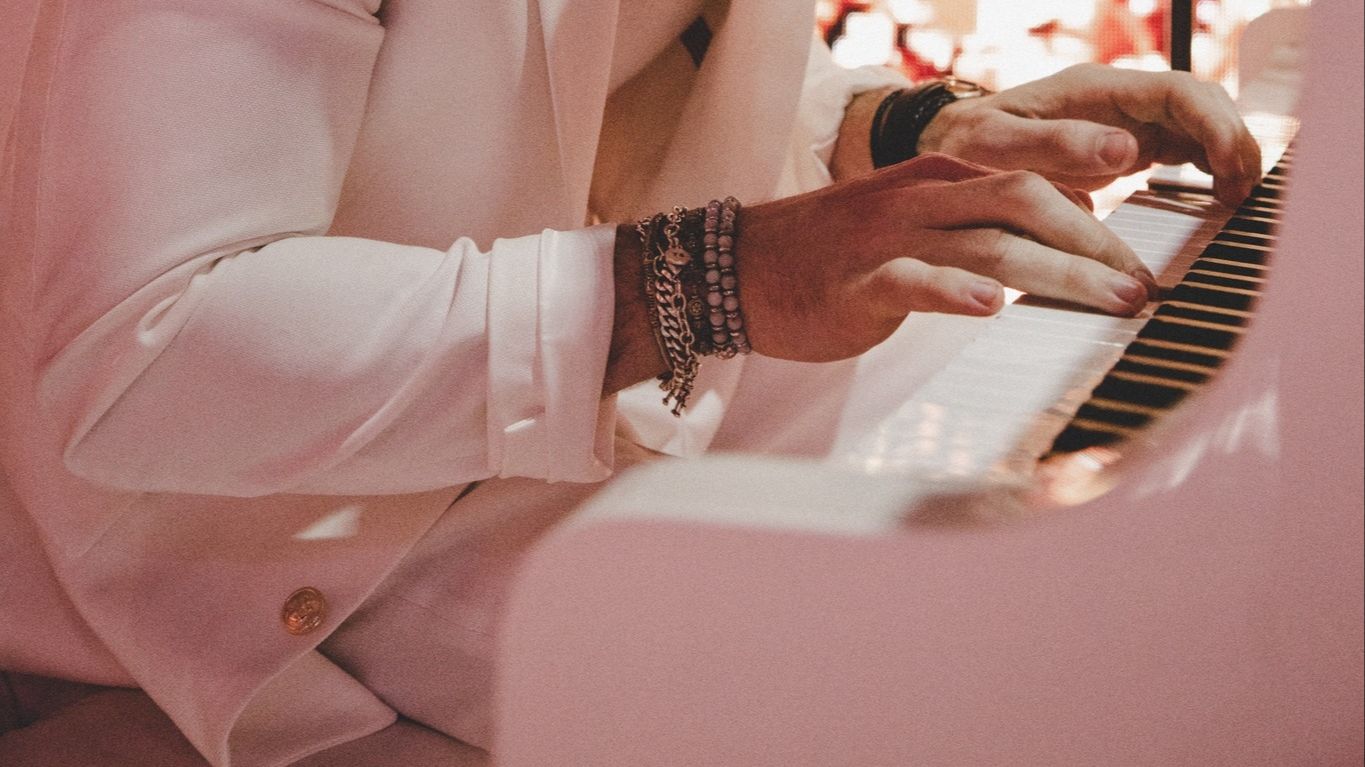
Every now and then, a student puts into words something I’ve felt about music my entire life.
Peg recently shared a reflection that stopped me in my tracks. She described music not as notes or rules, but as frequency that creates emotional impact — almost magically. And that’s exactly it. Music isn’t just something we learn. It’s something we feel. Something that moves through us.
What touched me most was her story of being drawn to music at a young age — how a single sound, a French horn fanfare from Camelot, could awaken something deep inside her. That kind of response is not intellectual. It’s emotional. It’s human. It’s the part of us that recognizes music before we ever try to explain it.
Over time, many of us learn to approach music through layers of structure, terminology, and “shoulds.” We’re told what’s correct, what’s allowed, what’s proper. And while structure has its place, it can sometimes bury the very thing that made us fall in love with music in the first place.
Peg...
"When Understanding Replaces Effort."
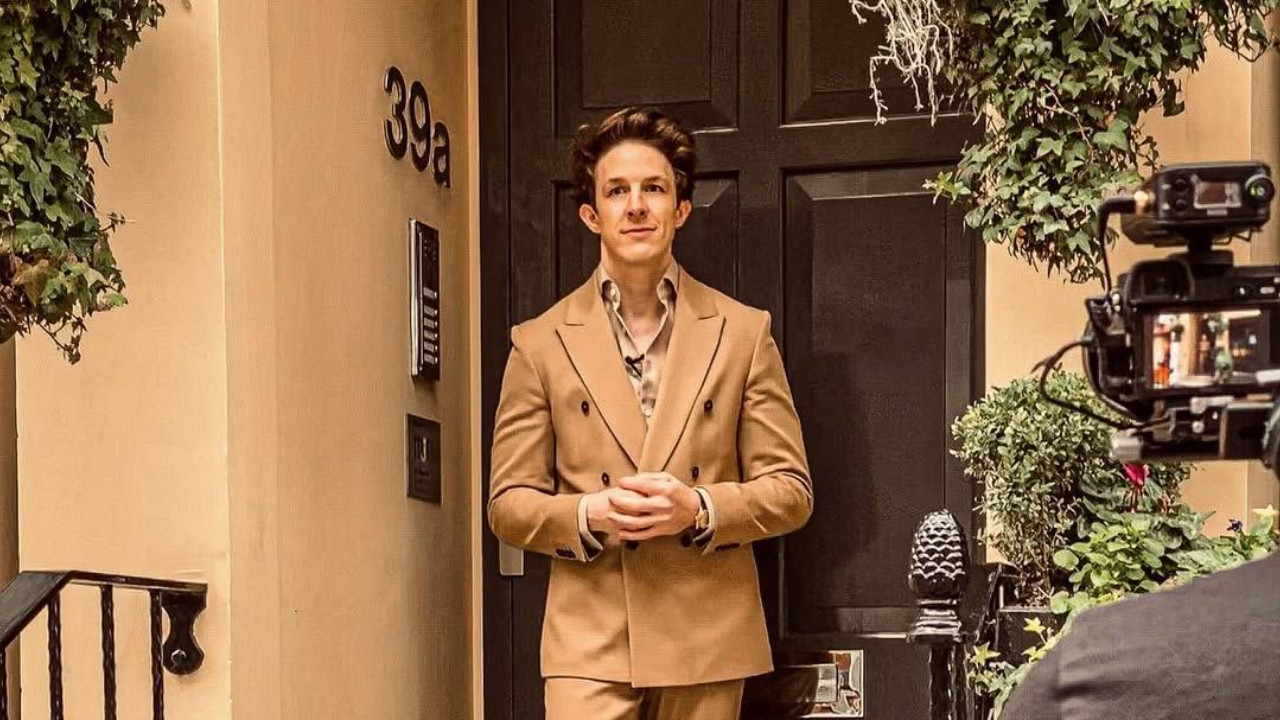
There’s a moment every musician hopes for —
the moment when things stop feeling scattered and suddenly connect.
Gerd experienced one of those moments recently, and it perfectly captures why understanding matters more than effort alone.
A few months ago, he tried to play “Fly Me to the Moon.” Like many students, he loved the song but struggled to memorize the chords. The rhythm felt challenging. Progress felt slow. It was one of those situations where you’re trying hard… but something still isn’t landing.
Then, after continuing his studies and going through Level 5 for a second time, something shifted.
It clicked.
Not vaguely.
Not partially.
But clearly.
Gerd described watching a video on the train, sitting down afterward with a lead sheet, writing out the chords, and within just a few hours, he was playing with confidence and momentum.
That’s not luck.
That’s understanding.
What really stood out to me was his reflection after a lesson with Rex. He spoke about finally seeing how...
"Why Scales Change Everything."
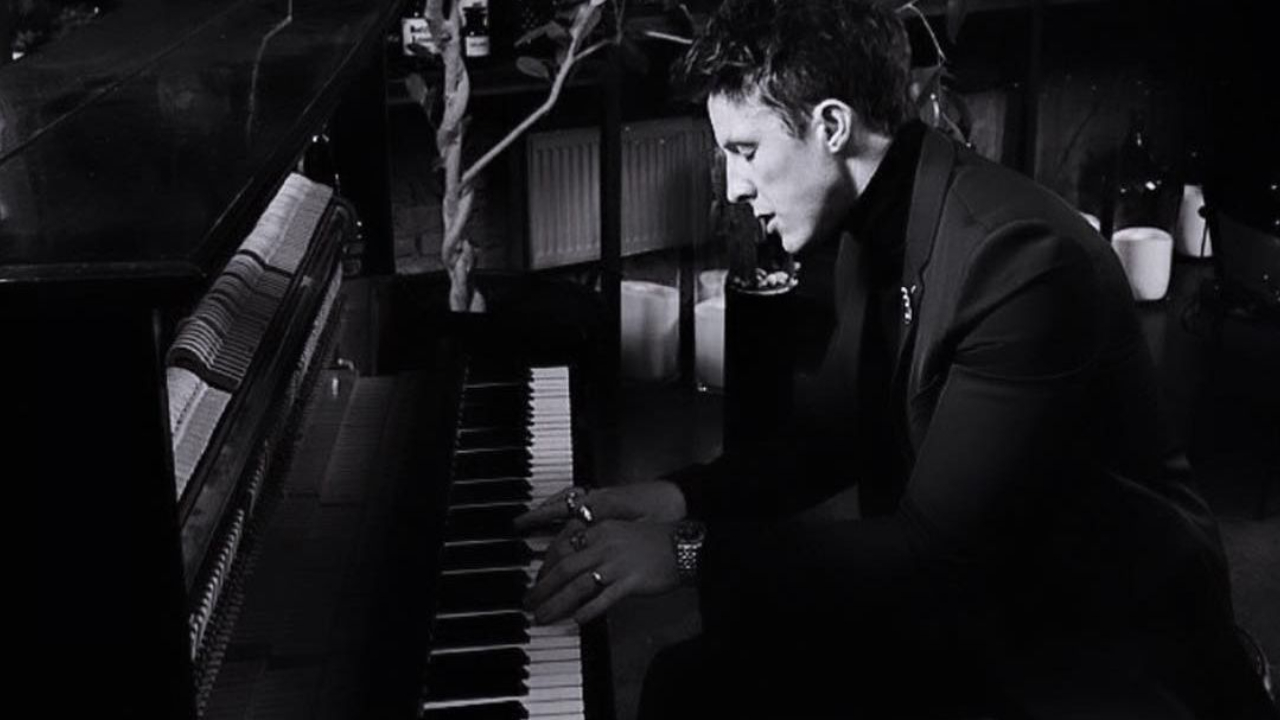
Every once in a while, a student shares something that perfectly captures why I teach the way I do.
Ben’s message was one of those moments.
He was recently asked to watch a new video on scales — and at first, like so many students, he wasn’t entirely sure why they mattered. He assumed they were important, of course, but something was missing. There wasn’t yet a personal connection. No real understanding of why they mattered.
And then something clicked.
After watching the video, Ben didn’t just “learn” about scales — he felt them.
“I gained a firm understanding of why they are important… from an exercise in it.”
That sentence means everything to me.
Because scales were never meant to be memorized mechanically.
They were never meant to be lifeless patterns or boring routines.
They were meant to unlock understanding.
For the first time, Ben began experimenting on his own — playing with different scales, intentionally stepping outside of them, hearing the dissonance, and truly ...
